Friday, 8 November 2024

Exploring the Uses and Advantages of Electric Nibblers

01:21:00


If you've ever found yourself grappling with a stubborn sheet of metal, you've probably wished for a device that could make the job simpler. Metal is an incredibly versatile material, used in a plethora of projects, from crafting household ornaments to constructing majestic architectural masterpieces. But handling it can be a challenge. Ever wondered how professionals slice through metal sheets as though they were paper? The answer might surprise you. Enter the world of electric nibblers. But what are they? How do they function? And why are they so important? This blog post aims to unravel the secrets of these potent tools and help you better grasp their expansive applications in various projects.


Choosing your tools with precision, therefore, not only maximizes efficiency but also improves the quality of the work. Why not save time and enhance quality with a tool specially designed for precise metal cutting—the electric nibbler.


Delving into the realm of electric nibblers, we find a device that trims, cuts, and shapes metal with an enviable ease and precision. As we unravel its features and uses, you'll discover the incredible benefits that it offers in tasks involving metal sheets. Welcome to this enlightening journey where we decode the uses and advantages of electric nibblers.


Understanding the Electric Nibbler: What is it?

An electric nibbler, at its core, is a tool for cutting metal. It operates by 'nibbling' away at the material, removing small bits at a time, hence the name. However, the simplicity of this definition does not do justice to the versatility and power of this instrument.


Picture a compact handheld device that fits comfortably in your palm, equipped with a sleek and efficient cutting head. The electric nibbler operates like a motorized punch and die, making it an incomparable tool when it comes to working with metal sheets.


Unlike the shearing action of snips or the abrasive friction of a grinder, the nibbler methodically punches away at the material, leaving a clean cut that requires minimal after-polishing. Whether you wish to cut sheet metal, corrugate roofing, or even metal pipes, an electric nibbler is your efficient and accurate partner.


Behind the Power: How does it work?

The driving force behind a nibbler is a powerful motor that propels a cutting punch. This punch swiftly moves up and down, puncturing the metal again and again in rapid succession.


Electric nibblers score the highest marks in convenience, displaying versatility in handling different materials, thicknesses, and complex cutting paths. They deliver cuts with unrivalled accuracy and, since the cutting action doesn't generate much heat, they prevent material distortion due to overheating—a common issue with other metal cutting tools.


Exploring the Use Cases: Where do Electric Nibblers fit in?

Navigating the home improvement landscape, nibblers have cemented their place as reliable tools for numerous practical applications. They’re indispensable in automotive bodywork, making light work of cutting through car body panels and other metal parts.


Additionally, nibblers are the go-to tools for HVAC professionals, handling ductwork with an astonishing degree of precision. In the world of home improvement, from metal roofing installations to remodels involving metal sheets, electric nibblers provide an unmatched combination of speed, accuracy, and ease of use.


Pros and Cons of Electric Nibblers

As with all tools, electric nibblers come with their share of strengths and limitations. Their most significant advantage lies in their precision and the quality of cut they deliver. The clean, virtually burr-free cuts reduce the need for subsequent finishing work—a significant time-saver for any project.


Electric nibblers also excel in maneuverability. They can navigate tight curves or complex cutting patterns with ease, making them the preferred choice for intricate design work. They are more efficient and faster than hand snips, with less physical fatigue involved.


Selecting Your Nibbler: Key Considerations

Selecting an electric nibbler requires an understanding of the task on hand, the material you'll be working on, and some product specific details like power, cutting capacity, and speed. Your choice also depends on your comfort level with handheld tools and your budget constraints.


Evaluate the size and thickness of the metal sheet you'll be primarily working on. Also, look at the shapes and designs you'll be cutting. For working with relatively thin sheets and for more intricate designs, a nibbler with a small minimum cutting radius could be ideal. Conversely, for thicker metal sheets, a high-power nibbler would be more suitable.


Conclusion

Electric nibblers may not enjoy the limelight like other power tools, but their pivotal role in simplifying metalwork is undeniable. They offer precision, versatility, and speed that is unsurpassed by many other tools in the realm of metal cutting.

Selecting a suitable electric nibbler may seem challenging, but armed with knowledge, it is indeed an enjoyable journey of choosing a tool that promises to revolutionize your metalwork projects. The power is in your hands—the power to cut with precision, with speed, with an edge. And that's very much the power of the electric nibbler. 

Thursday, 7 November 2024

Electric Attraction: The Ultimate Guide to Choosing the Right Electrician

23:27:00

We all have been there, haven't we? A flickering light, a malfunctioning energy-efficient gadget, wall sockets in desperate need of replacement, or perhaps, you're envisaging an ambitious home renovation project. In any case, the need for a professional, reliable electrician becomes paramount. But, how do you choose the right one? This is often the head-scratching question for many of us.

We live in a world where electricity is almost as crucial as oxygen, powering our homes, appliances, entertainment, and even our dreams, in the form of those daring home improvement plans. Undoubtedly, when it comes to electrical work, DIY often gives way to "D-I-don't”. You need a seasoned professional to step in – a licensed, qualified electrician who knows his amperes from his ohms.

This comprehensive guide will illuminate your path, outlining key considerations to help you find a trusted electrician who ticks all the boxes. So, without further ado, let's shine a light on this electrifying topic.

electrician
Electrician

The Foundation: Understanding Your Electrical Needs

Understanding your electrical needs is the first step towards finding the right electrician. Do you need a minor repair, a significant installation, or an inspection for a potential home purchase? Different electricians specialize in different areas, including residential, commercial, and industrial electrical services. So always start by defining your needs.

The Credentials: Qualifications, Licenses and Insurance

A bonafide electrician will always possess the right qualifications, licences, and insurance. Confirming these credentials is a critical step in ensuring you're hiring a professional who adheres to stringent industry standards. Keep in mind that an unlicensed tradesperson can nullify your home insurance in case of any mishaps.

The Experience: Residential Vs Commercial Expertise

While some electricians can work their magic in both residential and commercial settings, some are more proficient in one over the other. Understanding their expertise will ensure you have an electrician who is well-versed with the specifics of your project.

The Reputation: References and Reviews

By looking at references and reviews, you can gain insights into an electrician's commitment to customer satisfaction. Online reviews can provide an unfiltered look at previous customer experiences and help build a picture of what you can expect.

The Quotation: Compare Costs Effectively

Once you shortlist potential electricians, request a detailed quote from each. Remember, it's not always about the cheapest offer but about identifying value for money. A comprehensive quote should include labour costs, material costs, and a timeline for completion.

The Chemistry: Communication and Professionalism

Finally, your relationship with the electrician plays a crucial role. Are they communicative, punctual, and professional? Do they respect your home and clean up after their work? Never underestimate the importance of good chemistry in working relationships.

electrician
Electrician

Conclusion: Illuminating the Path to the Right Electrician

Choosing the right electrician can feel like scrutinising grains of sand on a sunlit beach - overwhelming and somewhat blinding. But remember, it is your investment, safety, and satisfaction at stake. You deserve an electrician who will be a beacon of light in your home improvement journey, whether it's a small fix or a significant installation.

Emphasise on understanding your needs, checking credentials, gauging experience, reviewing past work, comparing costs, and assessing chemistry. An excellent electrician will not only meet your immediate electrical needs but becomes your go-to professional for all your future requirements. Just like electricity lights up your home, the right electrician can power your peace of mind too.

In your quest to find the perfect electrician, remember that knowledge is power. And now, you are powerfully informed. Happy Hunting!


Friday, 11 October 2024

The Impact of Office Strip Out in Modern Business Reinvention

02:35:00

Amidst the current wave of modern business transformation, have you ever truly considered the contribution of physical workspace to this process? Or how the aesthetic and organisational redesign of an office can enhance productivity, foster creativity and generate a transformative business experience? As businesses evolve in response to changing market dynamics, so too must their physical environments – cue the dramatic rise of office strip outs. This blog post delves into the role of office strip out in modern business transformation and why it's becoming the unsung hero of the new corporate landscape.

An office strip out, or defit, essentially involves the removal of existing offices' internal elements to pave the way for a thorough renovation or an entirely new fitout. This comprehensive overhaul promotes enhanced productivity, allows businesses to keep pace with industry advancements, and offers numerous other benefits. We explore this groundbreaking trend further in the following sections.

Why Engage in Office Strip Outs?

Office Strip Out
Office Strip Out

In the heart of this modern age of business, office strip outs are redefining the corporate environment. They are not simply the precursors to stylish makeovers; they represent a philosophical shift in the ways companies view their workspace. Strip outs encourage space efficiency, with tailored designs that cater to specific team dynamics, workflows and business visions. Plus, an updated workspace can positively impact a company’s energy consumption patterns, reducing its carbon footprint and bolstering its reputation as an environmentally responsible entity.

Well-designed workspaces can also enhance employee morale, fostering a culture of positivity and satisfaction. Research has shown that employees who feel satisfied with their physical work environment are likely to be more productive, creative, and committed to their organisations.

Finally, stripping out an office allows you to comply with lease agreements that require the property to be in a pre-leased state upon vacating. It ensures you leave the premises in a condition agreed upon in your contract, avoiding potential legal disputes.

What Does an Office Strip Out Entail?

Office strip outs involve the comprehensive removal of the interior features of a workspace. This includes furniture, partitions, flooring, data cabling, and sometimes even the restrooms. Following that, a professional clean-up is carried out to clear the site of all debris, and the office is returned to its original condition.

But it goes beyond just demolishing and removing old structures. This process is a golden opportunity to reimagine and reinvent your office layout. Think open-plan offices, coworking spaces, or hybrid designs that cater to both remote and on-site employees. This is the power of office strip outs—they herald productive and successful transformations.

When is the Best Time for an Office Strip Out?

Timing is key when planning an office strip out. Ideally, it should be carried out during a period of low activity such as on weekends, public holidays, or before year-end. This reduces the disruption to normal business operations and minimizes downtime.

However, in reality, the best time for a strip out is when you are ready for change—be it for refreshing your work environment, moving office, or closing a business.

Pros and Cons of Office Strip Outs

Office Strip Out
Office Renovations

Like everything, office strip outs come with their advantages and disadvantages. On the plus side, strip outs provide an opportunity for comprehensive workspace redesign, improve energy efficiency, foster a sense of employee satisfaction, and keep you in compliance with lease agreements.

However, they can be time and resource consuming. They require meticulous planning and coordination, with potential disruptions to normal business operations. And unless managed responsibly, strip outs can generate a significant amount of waste.

Office Strip Out Sustainability

With the need for environmental conservation at an all-time high, it's crucial to incorporate sustainability into office strip outs. This means prioritising waste management and recycling or reusing furniture, equipment and materials wherever possible.

Many office strip out contractors adhere to environmentally friendly practices, ensuring that your strip out doesn’t detrimentally impact the environment.

Conclusion

The rise of office strip out in the modern business era is reflective of a deeper revolution permeating the world of work. As we reassess and reinvent business practices to match the shifting times, it's vital to realise the importance of our physical surroundings in this equation.

Office strip out signals the determination to adapt, transform and progress. It's about embracing the fluidity and dynamism that characterise the contemporary corporate landscape. Conducted sustainably, strip outs not only enable businesses to realize their full potential but also respect and conserve our shared environment. Ultimately, office strip outs are proving to be transformative, both for the business involved and the wider world.

Thursday, 10 October 2024

Ensuring the Longevity of Your Daikin Split System: A Comprehensive Guide

02:57:00

Welcome to the exciting and wondrously practical world of home improvement! Ever wondered how important it is to maintain your air conditioning system? Most likely, we enjoy the cool, comfortable environment it provides, but hardly ponder on "how does it keep doing so?" and "how long will it keep doing so?". More importantly, even fewer might stop to think, "how can we ensure it keeps doing its job efficiently for as long as possible?"

In this blog post, we will dive into a topic that affects us all - maintaining the longevity of your Daikin Split System. We often take these workhorse appliances for granted, humming quietly in the background, keeping us comfortable irrespective of weather vagaries outside. It's time we give them the care and attention they deserve - with a little effort, these systems promise us not just comfort, but also cost and energy efficiency.

Daikin, as a brand, has always assured us of high performance and durability. So let's make the most of it by extending the lifespan of our Daikin split systems even further. This comprehensive guide will explore the wonders of efficient HVAC maintenance, highlight some common misconceptions, and provide easy-to-follow tips for your home.

Understanding the Significance of Maintenance Daikin Split System

Daikin Split System
Daikin Split System

Why is it important to maintain your Daikin split system, you ask? A well-maintained air conditioner performs efficiently, keeps your indoor environment pristine, and ultimately, saves you money on energy bills and costly repairs. Unfortunately, like any other appliance, your air conditioner isn’t immune to the effects of time, dust, fluctuating temperatures, and constant use.

Unfortunately, many homeowners tend to neglect routine maintenance due to various reasons - be it lack of time, expertise, or simply oversight. The result? Performance degradation, skyrocketing utility bills, and ultimately, a shorter lifespan for your Daikin split system.

But fret not. This guide will walk you through the intricacies of maintenance and its impact on your air conditioner's lifespan. And guess what? Most of these tips can be easily applied, without the need to dial your local HVAC technician every month!

The Importance of Regular Servicing

Just as our cars need regular checkups, so does our Daikin split system. Regular servicing ensures that your system is working at its optimum level. It includes cleaning internal components, checking refrigerant levels, and ensuring the overall wellbeing of the unit.

Furthermore, regular servicing can turn out to be a preventive measure against larger, unexpected issues. The last thing you want during a blistering summer day or an icy winter night is your air conditioning system giving up on you!

Regular upkeep can also contribute positively towards your system's lifespan. Imagine owning a split system that not only performs at its peak but also lives far beyond its expected service life?

Cleaning Up Your Act, and Filter

Living indoors has its perks, but it also means your living space accumulates dust, pet dander, and a host of other airborne particles. Your Daikin split system's filter works tirelessly to keep the indoor air clean but over time, this can lead to a buildup of debris.

Cleaning or replacing the filters is a simple yet often overlooked maintenance task. Dirty filters cause your system to work harder to achieve the same results, leading to an increased energy consumption and reduced lifespan.

This is a maintenance chore that you can do yourself without any professional help. So, roll up your sleeves, arm yourself with your Daikin user manual, and get those filters gleaming again!

The Intricacies of a Well-Maintained Outdoor Unit

Daikin Split System
Daikin Air Conditioning

The outdoor unit is possibly one of the most ignored parts of an air conditioning system. It withstands harsh weather conditions and yet, is expected to maintain the same performance level. Investing a bit of your time and efforts in its upkeep can do wonders for your Daikin split system's lifespan.

Keeping the unit clear of any debris, periodic cleaning of the condenser coils, and checking on the refrigerant level are some tasks that fall under outdoor unit maintenance. This might require some professional help, but it undeniably ensures your air conditioner's robust health.

The Pros and Cons of Self-Maintenance

While many small-scale maintenance tasks can be handled by homeowners themselves, some complex issues would require professional intervention. Tinkering with intricate parts without a good understanding can lead to more damage than good. Take for example the case of refrigerant leaks; an incorrect diagnosis can lead to inefficiency, premature system failure, and environmental harm.

Knowing the balance between self-maintenance and when to call in the professionals can significantly impact your Daikin system's performance and lifespan.

Wrapping Up the Vortex of HVAC Maintenance

Mastering the art of HVAC maintenance isn’t as daunting as it sounds. With a basic understanding and regular commitment, you can significantly stretch your Daikin split system's lifespan, ensuring utmost comfort and energy efficiency.

Maintenance is not a one-step process but a continuous effort, a blend of minor self-interventions and scheduled professional servicing. Beyond just extending the lifespan of your unit, these measures enhance its performance, curb your energy bills, and contribute towards a healthier, cleaner indoor environment.

The beauty of home improvement lies in these small efforts that significantly transform our living spaces. Here’s to more comfort, cleaner air, lower energy bills, and a more extended life for your Daikin split system!

Tuesday, 10 September 2024

Comparative Analysis: Choosing the Best Log Splitter for Your Home Projects

22:28:00

There's a particular sense of satisfaction that comes from working with your hands, overseeing a project from conception to completion with your distinctive touch. This deep contentment is often the driving force behind every DIY enthusiast but will quickly dissipate if you find yourself wrestling with the wrong tools. Having the right tools is like assembling a tactical team – each with its unique role, working together seamlessly to achieve a shared goal. For home improvement projects involving woody material, no tool plays a better supportive role than a log splitter.


I remember when I first embattled with an unruly log that refused to fit into my fireplace. The axe in my toolbox wasn't much of a help, and the tedious process nearly made me abandon the idea of a warm, inviting fire. That was the moment I realized the need for a dedicated tool, an enduring ally capable of taming stubborn logs – a log splitter. 


The Importance of a Log Splitter in Home Projects


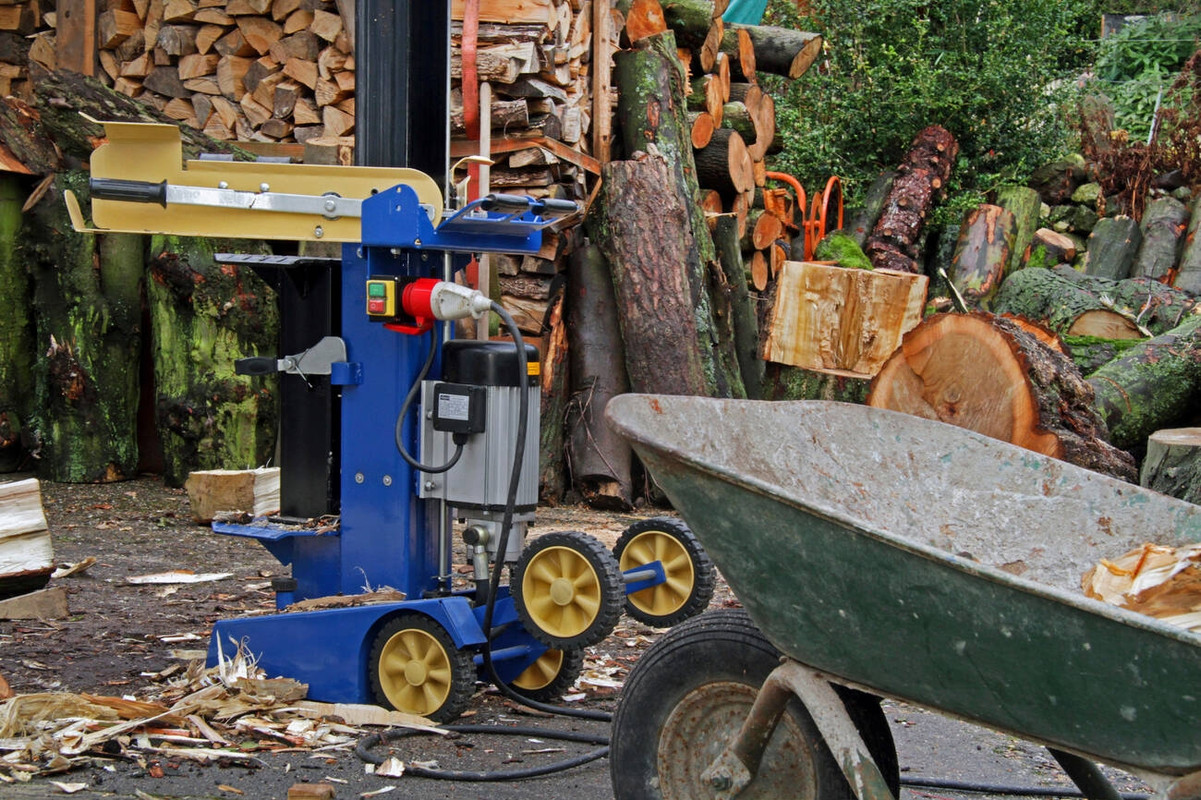
A log splitter is like your personal Hercules, bearing the load of splitting logs so that you do not have to sweat on it. For any project involving firewood or timber, a log splitter is not just an additional tool, but a necessity. It allows you to split logs faster, more efficiently, and with greater accuracy than traditional methods, saving you time and effort that can be better spent on other aspects of your home project. Besides, we all know a neat stack of uniformly split firewood is a delightful sight.


The substantial time and effort a log splitter spares are not the only advantages. With its power and precision, it yields far superior results than manually hacking away with an axe or a handsaw, significantly enhancing the quality of output. It reduces wastage, promotes efficient utilization of material, and provides a safer way to process large volumes of wood.


Understanding the Different Types of Log Splitters


As with any tool, best log splitters come in various forms –manual, electric, and gas. Picking the right one for you depends heavily on your specific needs, workload, and workspace. Manual log splitters require physical effort to operate but are excellent for light-duty tasks, small quantities, and are quieter and more cost-effective.


Electric log splitters are a step up, providing more power and requiring less effort than their manual counterparts. They're ideal if you have regular access to an electrical outlet and cater excellently to medium-duty tasks – think a load of firewood for the winter. Finally, gas log splitters stand as the giants of the bunch, breezing through even the most substantial logs without breaking a sweat. Detached from the need for an electrical outlet, these machines are perfect for heavy-duty tasks but are quite bulkier and noisier.


Factors to Consider When Choosing a Log Splitter


When deciding on the perfect log splitter, a blend of practicality and functionality is vital – there's no point in owning a colossal gas log splitter if you're dealing with small logs for occasional use. The power required should meet your project's size while matching the logs' hardness and size. The splitter's physical size and mobility are essential factors as well, especially if you need to move it around.


Price is undoubtedly an important consideration – it's crucial to balance cost with functionality, durability, and long-term value. Consider the reputation of the brand, the quality of materials, and the robustness of construction. Safety features too are a paramount element, given the inherently hazardous nature of log splitting tasks.


Top Five Log Splitters in the Market:


A comprehensive guide wouldn't be finished without suggesting potential options. Here are five of the best log splitter, covering manual, electric, and gas variants. I picked these out based on performance, value for money, user reviews, and personal experience.


Maintenance and Safety Tips for Using Log Splitters:


An investment in a log splitter necessitates proper care and regular maintenance to preserve its lifespan. Lubricating the moving parts, changing the hydraulic fluid, examining for leaks, and replacing worn-out components are some of the tasks to be carried out regularly. Adhering to safety guidelines such as proper footing and hand positioning, wearing safety equipment, and avoiding overloading are crucial to prevent accidents.


Expert Inputs


Consensus among experts is that identifying one's specific needs, in terms of power required, frequency, and volume of use, and matching it with the right type and size of log splitter, is the secret to choosing the right tool. Efficient use involves grasping basic operation principles, regular maintenance, and always observing safety protocols.


Conclusion


The quest for the best log splitter is a journey of identifying your specific needs and finding the ideal tool that fits these needs along with your budget. Remember, it's not just about saving time or effort but also about having the freedom to focus more on the creative aspects of your home project.

Pinterest